
Injured in a Store in South Carolina: What Should You Document?
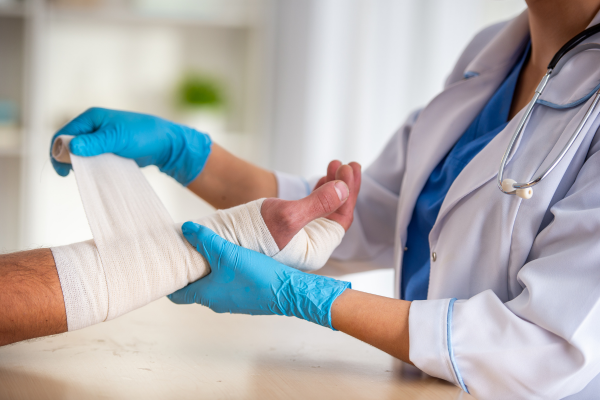
An injury in a store can happen in seconds, but the conditions that caused it may be cleaned up, repaired or removed shortly afterward. A spill may be wiped away, merchandise may be moved and surveillance footage may not be kept indefinitely.

Your health and safety should come first. When you are able, documenting what happened may help preserve information that could later be relevant to questions about the hazardous condition, the store’s response or your injuries.

Why Premises Liability Evidence Matters

Premises liability generally involves injuries caused by unsafe conditions on someone else’s property. In a store or restaurant, these conditions could include liquid on the floor, uneven walking surfaces, damaged stairs, poor lighting, unsecured merchandise or other hazards.

The fact that someone was injured on business property does not automatically establish that the business is legally responsible. Questions may include how the condition developed, how long it was present, whether employees knew or should have known about it and what steps were taken to address it.

Documenting the Store or Restaurant Scene

Conditions inside a business can change quickly after an injury, making it harder to show what the area looked like at the time. When it is safe and physically possible, photos or videos can help preserve how the scene appeared at the time.

Start by photographing the condition itself, then take wider photos of the surrounding area from several angles. Include nearby aisles, walkways, entrances, displays, warning signs, lighting and anything else that may have affected visibility or movement. Wider photos can show where the condition was located, while close-ups can capture smaller details.

It may also be helpful to photograph visible injuries, damaged clothing or personal property and the exact location within the business. If your injuries prevent you from taking pictures, someone with you may be able to document the area.

Creating a Record With the Business

Before leaving the property, tell a manager or employee what happened and ask whether the business has an incident-reporting process. Describe what happened accurately, but avoid guessing about details you did not personally observe, such as how long a spill had been there.

Ask whether you can receive a copy of the store accident report. If one is not provided, note the name and job title of the person who received your report, along with the date and approximate time.

The report creates a record that the incident was reported, but it may not include everything you remember. Writing down your own account while the incident is still fresh can help preserve additional information.

Identifying People Who Saw What Happened

Customers, employees or others nearby may have seen the condition before the injury or witnessed the incident itself. They may also have seen what employees did immediately afterward.

Ask for names, phone numbers and email addresses when possible. It can also be helpful to note where each person was standing and what they said they saw, rather than relying on the store to preserve that information.

Records That Confirm Your Visit

Receipts and transaction records can help confirm when you were at the business. Keep the original receipt, a digital copy or a screenshot of the purchase.

Other useful records may include restaurant reservations, loyalty account activity, pickup confirmations or credit and debit card statements. These details can help confirm the timing and location of the visit, especially if questions arise later.

Connecting Medical Care to the Incident

Medical records provide a timeline of your reported symptoms, treatment and follow-up care after the incident.

Some symptoms appear right away, while others develop over time. When speaking with a medical provider, explain how the injury occurred and describe any pain, swelling, dizziness, numbness or changes in movement.

Keep copies of visit summaries, prescriptions, referrals and medical bills. These records may help document both the treatment received and the effect the injury has had on daily activities.

Clothing and Personal Property

The clothing and shoes worn during the incident may contain useful information. Shoes may show residue from a substance on the floor, while torn or stained clothing may help document the fall and resulting damage.

Before washing, repairing or discarding these items, photograph them and consider whether they may be relevant. Store them in a secure place when possible.

Keep any damaged glasses, phones, watches or other personal property as well. Repair estimates and purchase records may help document related expenses.

Be Careful With Insurance Communications

A store, property-management company or insurer may contact you after the incident. You may be asked to provide a statement, sign an authorization or discuss your medical history.

Provide accurate information and keep in mind that statements made early in the process may later be reviewed as part of the claim. You may not yet know the full extent of your injuries or have access to all available evidence.

Before signing documents or accepting an offer, you may want to speak with a lawyer about what is being requested and how it could affect your options.

When to Talk With DGR After an Injury on Business Property

Evidence can become more difficult to locate as time passes. The hazardous condition may be removed, witnesses may become harder to reach and surveillance footage may no longer be available.

Dial, Grimm & Rupert helps people injured on business property in South Carolina understand their options. DGR can review the information you have, discuss any unanswered questions and explain what options may be available.

Learn more on DGR’s premises liability attorneys page or contact DGR to talk with the team about your situation.

This article provides general information and is not legal advice. Every premises liability matter has different facts, and the evidence that may be relevant depends on the circumstances.

TALK WITH OUR TEAM

When to Talk With DGR After an Injury on Business Property

Contact Dial Grimm & Rupert Today

Awards & Recognition
  • Fidelity National Title, 2023 Top Producer logo
  • Lexington Chronicle 2024 logo
  • America's Top 50 Lawyers logo
  • Irmo Chapin 2024 logo
  • Irmo Chapin 2023 logo